
Keeping your natural teeth for life is always the ideal. Dentalife’s motto, “Healthy teeth, healthy body, healthy life!”, underscores how closely oral health is tied to overall wellness. But when deep decay, trauma or advanced gum disease make a tooth unsalvageable, removal can be the healthiest choice. Modern techniques and a caring, integrative approach mean the experience can be as painless and stress‑free as possible.
Why might a tooth need to be removed?
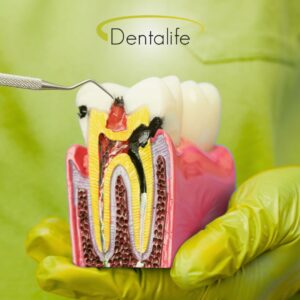
Extraction is never undertaken lightly. Tooth removal becomes necessary when damage or infection threatens your health and there is no realistic way to save the tooth. Common reasons include lingering or severe tooth pain, persistent infections or abscesses, severe fractures, advanced periodontal disease and overcrowding or orthodontic preparation. Leaving these problems untreated can allow infection to spread and endanger nearby teeth and bone. A timely extraction often brings immediate relief, prevents damage to surrounding teeth and supports future restorative treatments like implants or bridges.
While extraction may be the right choice for a compromised tooth, it’s important to remember that saving teeth is always the first goal. Root canal therapy, for example, removes infected tissue inside the tooth, thoroughly cleans and seals the canals and preserves the natural structure. If your dentist believes a root canal is a viable alternative, they will recommend it. When extraction is unavoidable, the Dentalife team focuses on making your experience comfortable and planning for your tooth’s replacement.
An integrative, gentle approach
Dentalife views tooth removal as part of a broader plan for your oral and general health. Thorough diagnostics and imaging guide treatment, and a calm environment with supportive staff helps ease anxiety. Because losing a tooth can affect chewing, speech and self‑confidence, the team considers your overall wellbeing, timeline and budget before recommending extraction.
Anaesthesia and sedation
Fear of pain often keeps people from seeking care, but anaesthetic and sedation techniques make extractions more comfortable. A local anaesthetic numbs the tooth and surrounding gum, and a topical gel can minimise the sting of the injection. For more complex procedures or anxious patients, sedation reduces awareness and helps you relax. In rare cases, general anaesthesia is used. Dentalife will recommend the best option based on the procedure and your health, and the team will monitor you throughout. To learn more about sedation options, visit the ADA’s MouthHealthy page or the Mayo Clinic patient guide.
The extraction process
Before any extraction, your dentist performs a thorough examination with digital imaging. If the tooth can be saved with other treatments, that will be explored first. If removal is required, you’ll receive pre‑appointment instructions about medications and, if necessary, fasting for sedation.
At the appointment, your gum is numbed with a topical gel followed by a local anaesthetic injection. If you’re receiving sedation, you’ll also breathe nitrous oxide or take a prescribed sedative to help you relax. Once the area is numb, the dentist gently loosens the tooth and lifts it out. In simple cases the tooth is rocked from side to side until it releases; in more complex extractions the gum may be opened and small amounts of bone removed to allow access. You might feel pressure but not pain. After the tooth is out, the socket is cleaned, sometimes stitched and covered with gauze, and you’ll bite down to form a blood clot. If you’ve had sedation, you’ll rest until you’re alert enough to go home.
Healing comfortably: aftercare and recovery
Some swelling and minor bleeding are normal after oral surgery. Use a cold compress on the cheek for the first day to limit swelling and call your dentist if it worsens after a few days. To control bleeding, bite down on folded gauze or a tea bag for about an hour. Avoid spitting, drinking through straws or smoking so the blood clot isn’t dislodged. Over‑the‑counter pain relief is usually sufficient for discomfort, and after the first day a warm saltwater rinse can help keep the area clean.
Dry socket—when the clot dissolves and bone is exposed—can be very painful and is more common among smokers. To reduce the risk, avoid smoking and strenuous exercise for a few days and don’t rinse vigorously. Eat soft foods for the first day or two, then gradually return to your normal diet. Stay hydrated, avoid hot drinks initially and brush nearby teeth gently. Follow any specific instructions from your dentist; they want your recovery to be as smooth and comfortable as your procedure.
Planning your next steps
Removing a tooth does not have to leave a permanent gap. Dentalife offers restorative solutions to return your smile to full function. Root canal therapy is often the first line of defence to save a tooth; it removes infected tissue and seals the canal, preventing future problems. When extraction is necessary, dental implants are considered the gold standard for replacement. You can explore how implants work on our dental implants page and learn more about saving a natural tooth on our root canal therapy page. An implant acts like an artificial tooth root anchored in the jawbone, supporting a crown, bridge or denture. This integration with the bone provides unmatched stability, prevents jawbone loss and lets you chew and speak with confidence. Your dentist can discuss timing and planning for implants soon after extraction.
Your comfort is our priority
Anxiety about dental work is common, but delaying treatment can worsen problems. Dentalife’s integrative approach focuses on listening to your concerns, respecting your timeline and creating a plan that keeps you comfortable. Modern anaesthesia ensures you won’t feel pain, and our team is with you at every step, from planning through recovery. A healthy mouth contributes to your overall wellness, so addressing problems promptly is an investment in your long‑term health. If you’re in pain or have questions about a troubled tooth, make an appointment today and take the first step toward relief and renewed confidence.